25-01-08, UpMyStreet ©
The mass of information available on the internet has made the previously onerous task of historical research much more accessible. According to Simon Harper of Ancestry.co.uk:
"With the large volume of useful historical records now online to help us trace the history of homes, more and more people are taking the time to find out who lived in their house before them."
Researching your property's history can be as engrossing as delving into your family tree. Our guide will help you to date your property, find out about previous owners and get a feel for your neighbourhood's past.
1. Look at your property's title deeds
The title deeds of your property can help you trace previous owners and occupiers. If they're not in your possession, check with your solicitor or mortgage company. They may also have older title deeds and documents relating to the property, including estate and family papers.
2. Check if the land is registered
The system of registering land in England and Wales with the Land Registry developed gradually through the nineteenth and twentieth century. Around 60% of properties are registered - buy title registers and plans online for £3 each. The Registers of Scotland looks after records for Scotland. You can search the Register of Sasines for land ownership records as far back as 1599, with records from 1875 available online.
3. Look at the architecture of your home
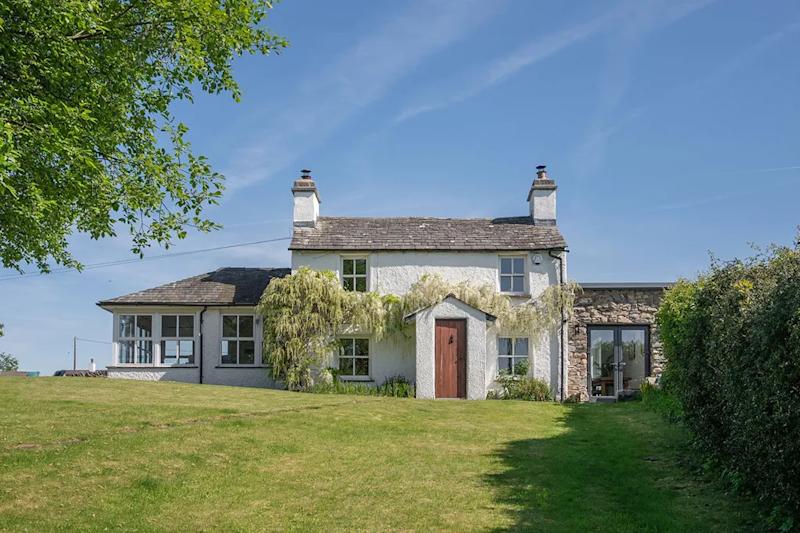
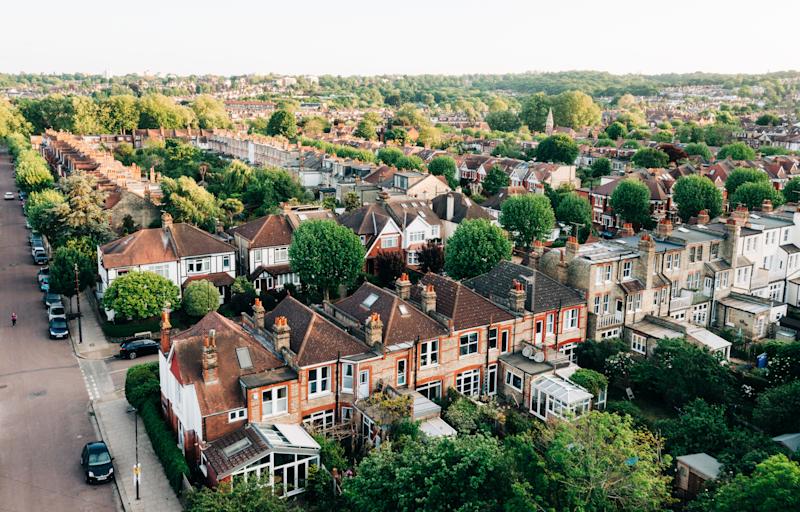
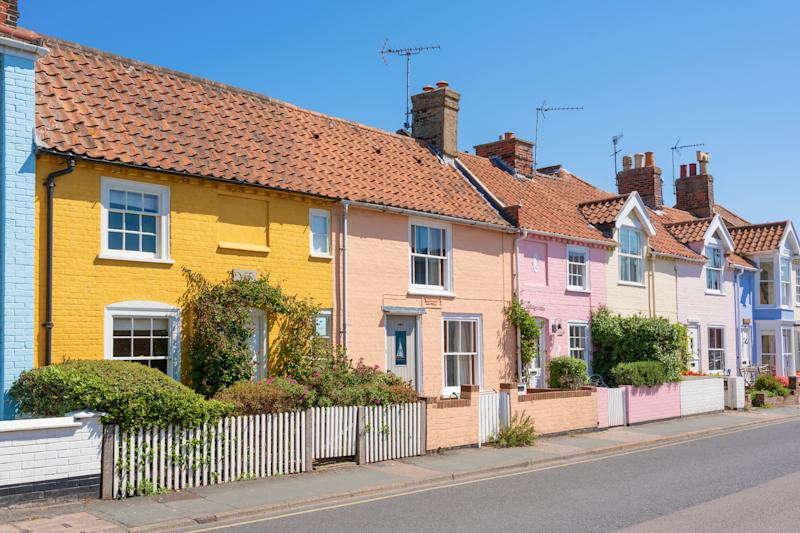
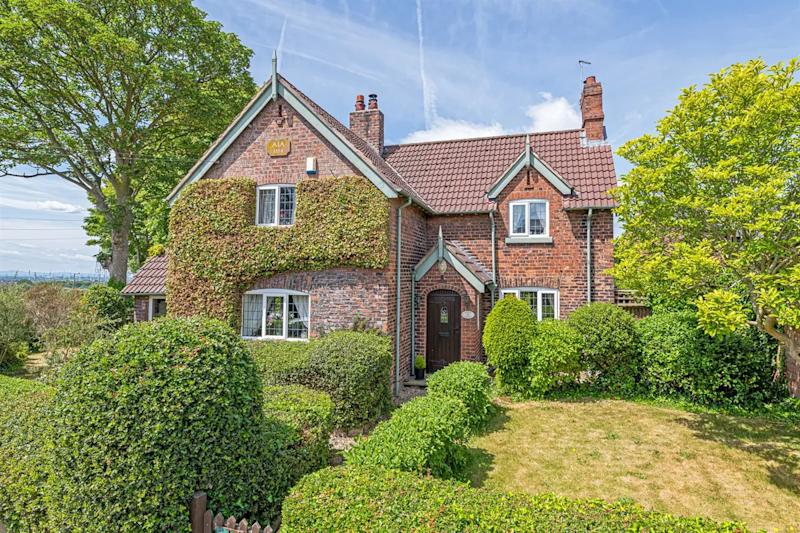
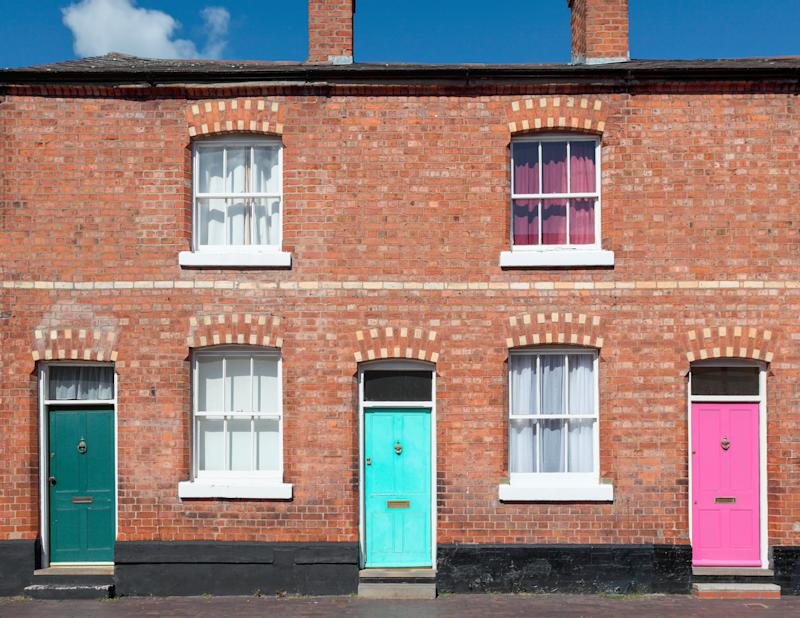
The architectural features and style of a property can tell you a lot about the period in which it was built - consult our guide to architectural styles on the right of this page, and use a house dating tool to get an approximate date.
Architectural movements are shaped by social and political change - such as the trend towards smaller homes during the economic depression of the 1920s - as well as being cyclic in nature. Architectural revivals are common, such as the Gothic revival in the Victorian period, and the mock-Tudor style popular in the early 20th century.
4. Research the local area
Brush up on your knowledge of local history to place your property into a wider context. In particular, find out when and why your town was built, and if any events or influences shaped its housebuilding.
Carry out some research at your local library and county records office, where you can search old maps, newspaper cuttings and parish boundary records. If you are unsure which parish your property falls into, consult Bartholomew's Gazetteer of Places in Great Britain. There are over 10,000 parishes in England and Wales, and many historical records and maps are calculated at this parish level.
5. Use the internet
The free information available on websites such as Wikipedia has revolutionised historical research. UpMyStreet user, David, was able to trace his road's history back to the 1800s:
"Through a bit of online research - literally starting with a simple Google search - I managed to find out that the road in Croydon I was moving to was on the site of a former military academy owned by the East India company. Our road is named after a prominent military figure."
6. Use national resources
Make the most of national as well as local services to conduct your research. The UK National Archive is particularly useful, with its store of historical records and information on the documentation available in other locations in the country.
Search census records online as far back as 1841 and use the electoral roll to trace former inhabitants. Building up a picture of past residents can help place your property in its social context, including the likely demographic and occupations of past residents, and the size and make-up of families who lived there.
7. Talk to your neighbours
Your neighbours, particularly long-standing locals, may have a wealth of knowledge about the history of the area and its properties. Mentioning your research will quickly reveal any enthusiasts or amateur historians.
8. Look at old maps
Maps literally place your home in its physical context, allowing you to trace the changes and continuities in the local area. Start with recent local maps - your local library should have a ready supply for you to view - and work your way backwards. You can approximate a date for your property by ascertaining when your home or road was first recorded.
The first Ordnance Survey map was published in 1801 for the County of Kent. There are over a million old maps in the Ordnance Survey archives.
9. Find old photos
Photos also provide pictorial evidence of what your home or road was once like. Old Aerial Photos has over a million old photos in its archive, and allows you to search by postcode to find your nearest local snaps. Look out for postboxes, churches, pubs and old shops for familiar landmarks.
10. Plot your home's history
Specialist websites such as Ancestry.co.uk provide access to census data, local history records and old phone book directories. Combined with the rest of your research, this can help you to chart your home's history - in a timeline or whatever format you prefer - and can truly enrich your experience of living there.
Useful links
How to age a home
Related article
We want to hear your thoughts on this article. Do you have your own story to tell? Join in the discussion by leaving your comment below.
ADVERTISEMENT
By comparing gas and electricity plans you could save up to £350 a year on your energy bill. Simply enter your postcode and a few details and the uSwitch energy calculator will tell which plans are the cheapest for your needs.
Make sure you're getting the best home phone deal for your area - compare prices, call plans and customer service for all suppliers. You could save up to £140 in the first year on your phone bills.
Connect to the right broadband deal for you. The uSwitch broadband calculator will work out what sort of package you need, then compare suppliers to find the best on the market - from high speed deals to quadplay bundles.
The digital switchover, when analogue TV services in the UK are switched off, has already begun. Everyone needs to upgrade and switch to digital by the time the switchover reaches their area - find the best value solution here. It's easier than you might think.
Find out more about your neighbourhood including information about Family Income, Interest in Current Affairs, Housing, Education, Children and Satellite TV.
ADVERT SECTION